Written By: Ishani Baral, Kathmandu Model College (KMC), Grade 12
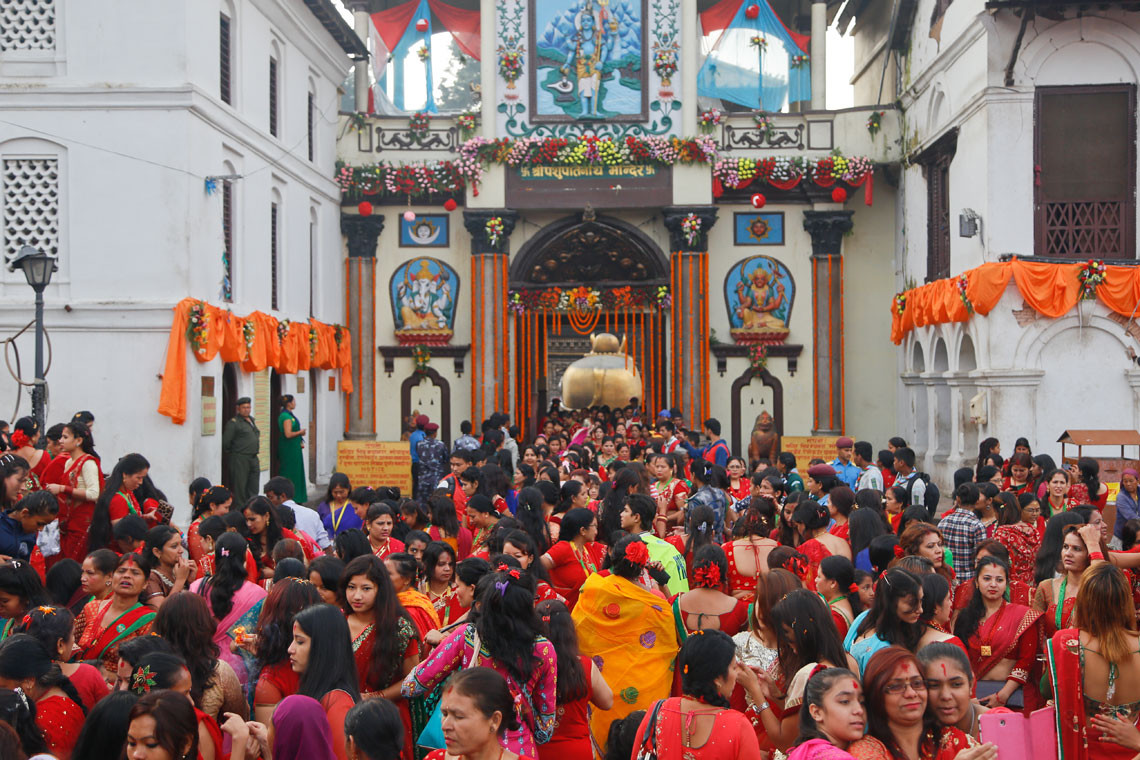
In Nepal, global challenges are further compounded by deep-rooted social norms. According to the United Nations in Nepal, 89% of girls and women experience restrictions during menstruation, and harmful practices such as chhaupadi persist in some areas despite being outlawed. These restrictions are not just cultural inconveniences; they affect girls’ confidence, mobility, participation in class, and ability to make informed decisions about their own health. A 2025 Lancet Global Health analysis across 44 low- and middle-income countries found that menstrual-related absenteeism affected 15.0% of respondents overall and was highest in South Asia at 19.7%, reinforcing the development cost of poor menstrual health support. [nepal.un.org] [thelancet.com]
From Awareness to Action: The Story of Cup4Change
#Cup4Change started with a simple question: why is menstruation still considered a taboo in many communities? The triggering point on the topic is the time to explore societal issues during the COVID-19 lockdown as Ms. Ishani Baral began learning more about menstrual health and having conversations with family and people around her. These discussions showed how many myths, misconceptions, and gaps in knowledge still existed, especially among young people.
While exploring different menstrual products, Ishani came across menstrual cups and was surprised by their benefits. She further deep dived into its financial, environment and use friendly aspects and learned that a single cup can last for several years, making it a more affordable and environmentally friendly option than disposable products. Realizing that many people had never heard about menstrual cups or had access to accurate information about it, she committed to do awareness program to change that.
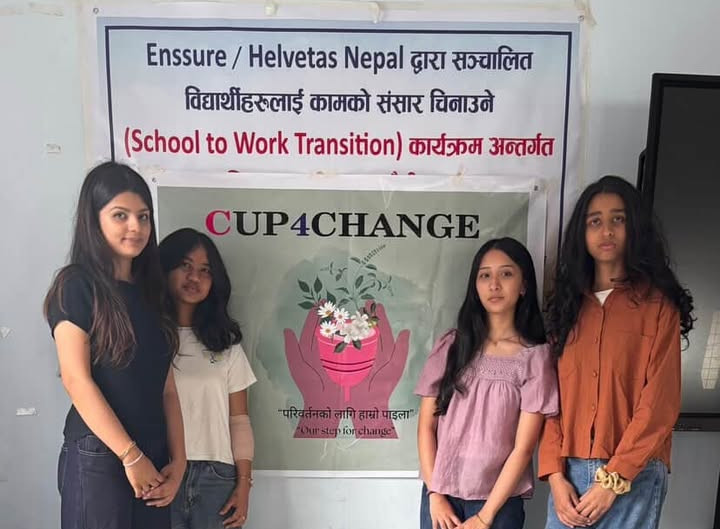
As a real starting point on ground, with the help of a passionate team of her friends: Ishani, Shristi, Widushee, Prashuma, Pranisha, and Kritagya, #Cup4Change page and campaign were designed and initiated. The initiative focuses on raising awareness about menstrual health, encouraging open conversations, and introducing sustainable menstrual products. Through school sessions and community outreach, #Cup4Change hopes to help young people make informed choices and feel more confident discussing menstruation without stigma.
Implementation in Action: Tripadma Secondary School, Lalitpur
Collaboration with the Lalitpur Municipality was the stating actions where team visited Municipal education office, discussed with the mayor and identified that Tripadma Secondary School, Pulchowk, Lalitpur would be the starting point. Implementation was not free from its own challenges. Awareness of the topic was required to Principal, teachers and other support staff. With several visits to the school and series of meetings with school nurses, class teachers and the principal, team got the go-ahead signal to discuss with grade 10 students. On 21 May 2026, #Cup4Change conducted its first pilot awareness program at Tripadma Vidyashram Secondary School, Lalitpur, reaching approximately 50 students, including both girls and boys. The program began with a pre-session survey to assess students' existing knowledge and perceptions of menstrual health. This was followed by interactive discussions on menstrual hygiene, common myths surrounding menstruation, and the importance of creating supportive environments both at school and at home. Students were also introduced to menstrual cups through demonstrations and open discussions, allowing them to ask questions and gain a better understanding of sustainable menstrual products.
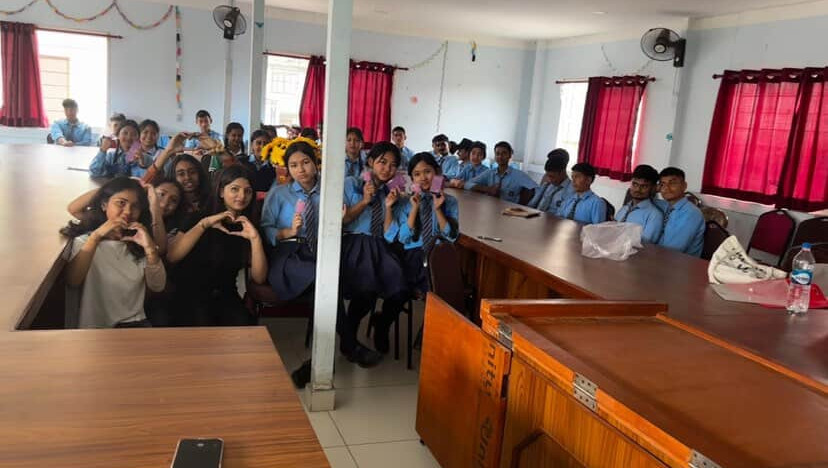
To evaluate the effectiveness of the session, a post-program survey was conducted. The findings showed a clear improvement in awareness and understanding among participants. In addition, 23 menstrual cups were distributed to female students who expressed interest in trying them.
|
Indicators |
Before Session |
After Session |
|
Awareness of menstrual cups (girls) |
14 out of 23 |
100% |
|
Awareness among boys |
0% |
100% |
|
Willingness to adopt menstrual cups |
Not measured |
100% of girls |
|
Understanding of environmental & cost benefits |
Minimal |
Universal |
The results demonstrated a significant increase in knowledge, awareness, and acceptance of menstrual cups among students. More importantly, the session encouraged open conversations about menstruation and challenged common misconceptions that often contribute to stigma.
A key strength of the #Cup4Change model is its inclusive approach. By engaging both girls and boys, the program promotes empathy, understanding, and shared responsibility. It encourages girls to speak confidently about menstrual health while helping boys become supportive allies. The involvement of school health staff and teachers further strengthened the program's credibility and impact, ensuring that discussions continued beyond the awareness session itself.
Following the success of this pilot initiative, #Cup4Change aims to expand its work to more schools and communities across Nepal. Future efforts will focus on scaling awareness programs,
increasing access to sustainable menstrual products, and building partnerships that can help create long-term social, educational, and environmental impact.
Beyond Awareness: Changing Social Norms
A key strength of #Cup4Change is its inclusive approach to menstrual health education. By involving boys in discussions, the program helps build empathy, reduce stigma, and create a more supportive environment where menstruation can be discussed openly. At the same time, it encourages girls to speak more confidently about menstrual health within their households and communities.
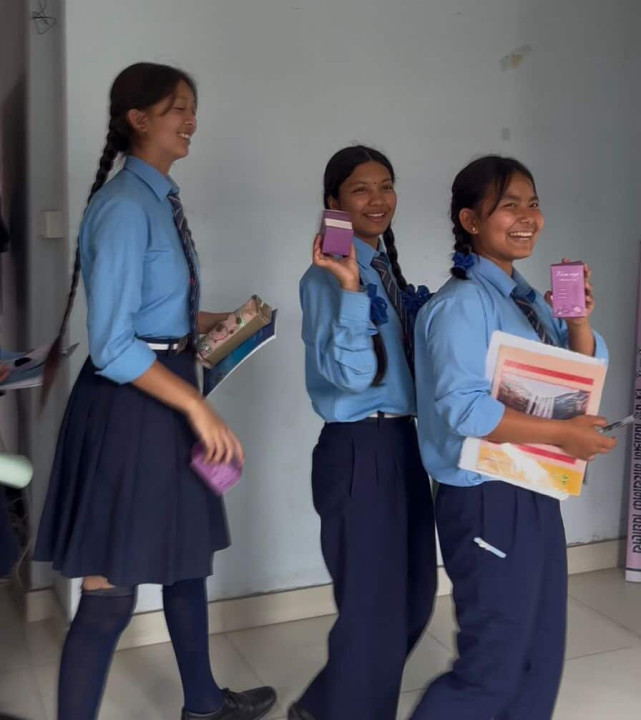
The initiative promotes menstruation as a normal biological process rather than a taboo, helping challenge long-standing misconceptions. The involvement of school health staff and other local champions further strengthens trust and ensures the message is more widely accepted. Overall, this approach extends impact beyond individuals and supports broader community-level change.
Scaling the Impact: A Call for Partnership
Building on the success of this pilot program in Tripadma, #Cup4Change aims to expand to more schools and communities across Nepal. Its focus includes scaling awareness programs, integrating menstrual health into life-skills education, and improving access to menstrual cups for underserved populations.
The initiative also plans to strengthen monitoring and evidence generation to better measure impact and guide future improvements. To achieve this scale and long-term sustainability, strong partnerships with government, development agencies, schools, and private sector actors are essential.
Welcome you to be part of this collective effort
Your constructive engagement with us creates impact across multiple areas. It supports education by reducing absenteeism and improving school participation among students. It improves health outcomes by promoting safer and more informed menstrual hygiene practices. It also contributes to the environment by reducing plastic waste from disposable sanitary products.
In addition, the initiative advances gender equality by helping reduce stigma and building confidence among young people to talk openly about menstruation. From a development perspective, it is also highly cost-efficient, as it delivers long-term impact with minimal recurring investment due to the use of reusable menstrual cups and structured awareness programs.